Case Study: How a Philadelphia Hospital Streamlined Supply Management
Introduction
Managing supplies efficiently is crucial for hospitals to ensure optimal operations and patient care. In this case study, we explore how a prominent hospital in Philadelphia successfully streamlined its supply management process. By implementing strategic changes, the hospital not only improved efficiency but also reduced costs significantly.
The hospital faced numerous challenges in managing its supply chain, including inventory inaccuracies and delayed deliveries. Recognizing the need for change, the management decided to revamp their existing system.
The Challenges
Initially, the hospital struggled with outdated inventory systems that led to frequent stockouts and overstocking. This inefficiency resulted in wasted resources and potential delays in patient care. Additionally, there was a lack of communication between departments, further complicating the supply chain process.
Another significant challenge was the excessive time staff spent on manual inventory tasks. This time-consuming process diverted attention from patient care, impacting overall service quality.
Identifying Solutions
To address these issues, the hospital formed a dedicated team to analyze the existing processes. The goal was to find a sustainable solution that would enhance accuracy and efficiency. They decided to adopt a comprehensive supply chain management software tailored for healthcare facilities.

Implementation
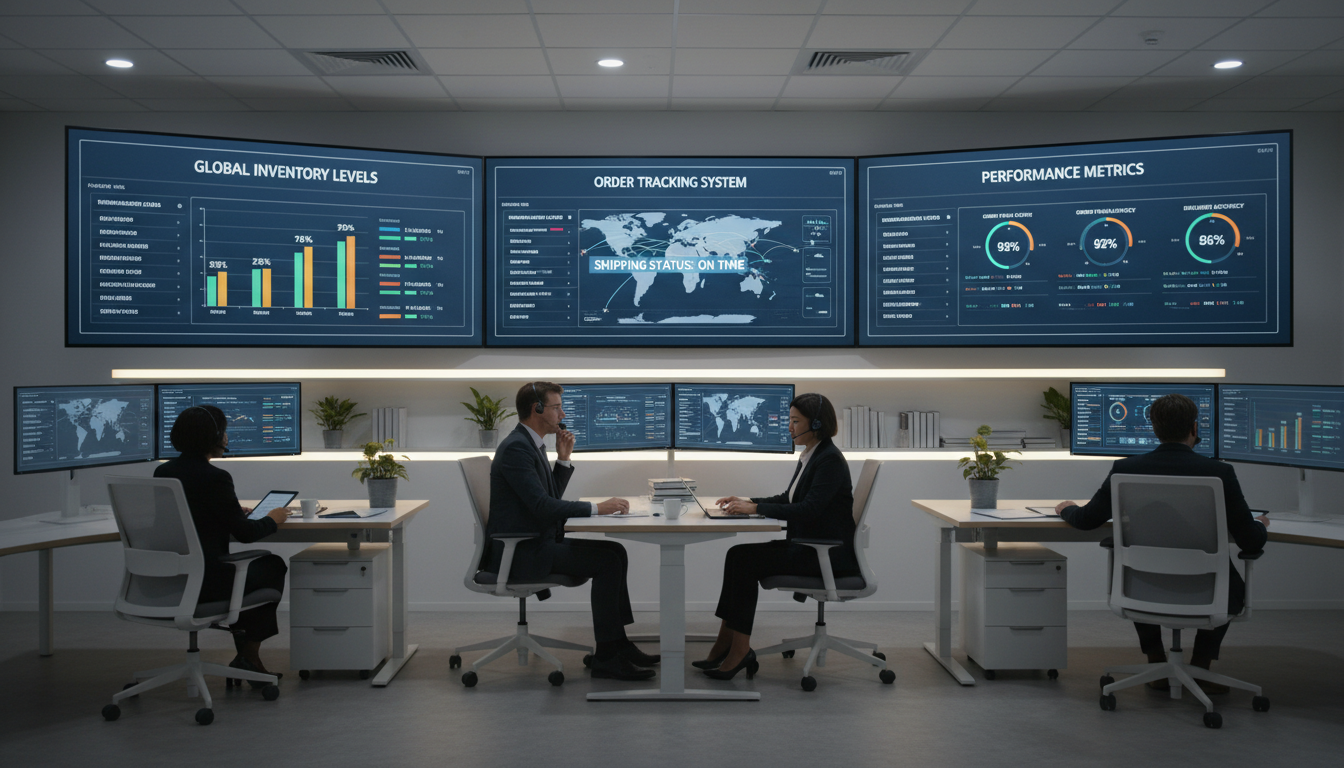
With a clear plan in place, the hospital began the implementation of the new software system. The team focused on integrating technology that offered real-time inventory tracking, automated ordering, and detailed analytics. This technological upgrade was crucial for minimizing manual errors and improving overall management.
Training sessions were conducted for staff members to ensure a smooth transition. This training emphasized the importance of the new system and how it would lead to better patient outcomes.
Results and Benefits
The results were impressive. Within months, the hospital reported a significant reduction in inventory costs by optimizing stock levels. The real-time tracking feature helped in maintaining a balanced inventory, reducing both waste and shortages.

Moreover, the automated system freed up staff time, allowing them to focus more on patient care rather than administrative tasks. This shift not only improved job satisfaction but also enhanced the quality of care provided to patients.
Lessons Learned
The hospital's experience offers valuable lessons for other healthcare facilities facing similar challenges. Key takeaways include the importance of investing in modern technology and the need for continuous staff training to adapt to new systems.
Additionally, fostering open communication between departments can significantly contribute to the success of streamlining processes. A collaborative approach ensures that all team members are aligned with the organizational goals.
Conclusion
By embracing change and leveraging technology, the Philadelphia hospital successfully transformed its supply management system. This case study serves as an inspiring example for other institutions looking to enhance their operational efficiency.
Ultimately, the hospital's initiative not only improved its internal processes but also reinforced its commitment to delivering superior patient care. This success story highlights the potential of strategic innovation in the healthcare sector.