Expert Tips: Maintaining Your Medical Equipment at Home
Understanding the Importance of Maintenance
Medical equipment at home plays a vital role in ensuring the health and well-being of individuals who need regular medical care. Proper maintenance is crucial to keep this equipment functioning correctly and safely. Regular upkeep not only extends the lifespan of your devices but also ensures accurate readings and reliable performance.
Neglecting maintenance can lead to malfunctions or inaccurate results, which could have serious health implications. Therefore, understanding the basics of maintaining your medical equipment is essential.
Essential Maintenance Tips
Regular Cleaning
One of the simplest yet most effective ways to maintain your medical equipment is through regular cleaning. Dust and debris can accumulate and affect the functionality of your devices. Use a soft, damp cloth to clean surfaces and follow the manufacturer's guidelines for any specific cleaning instructions.
Routine Checks and Calibration
Equipment such as blood pressure monitors or glucose meters may require periodic calibration to ensure accuracy. Follow the user manual for guidance on how often these checks should be performed. If you're unsure, consult with a healthcare professional for advice.
Storage and Handling
Proper Storage
Storing your medical equipment properly is crucial to prevent damage. Keep devices in a dry, temperature-controlled environment to avoid exposure to moisture or extreme temperatures, which can affect their performance.
Careful Handling
Handle your equipment with care to prevent physical damage. Avoid dropping or knocking devices, and ensure they are securely stored when not in use. Consider using protective cases for portable equipment.
Seeking Professional Assistance
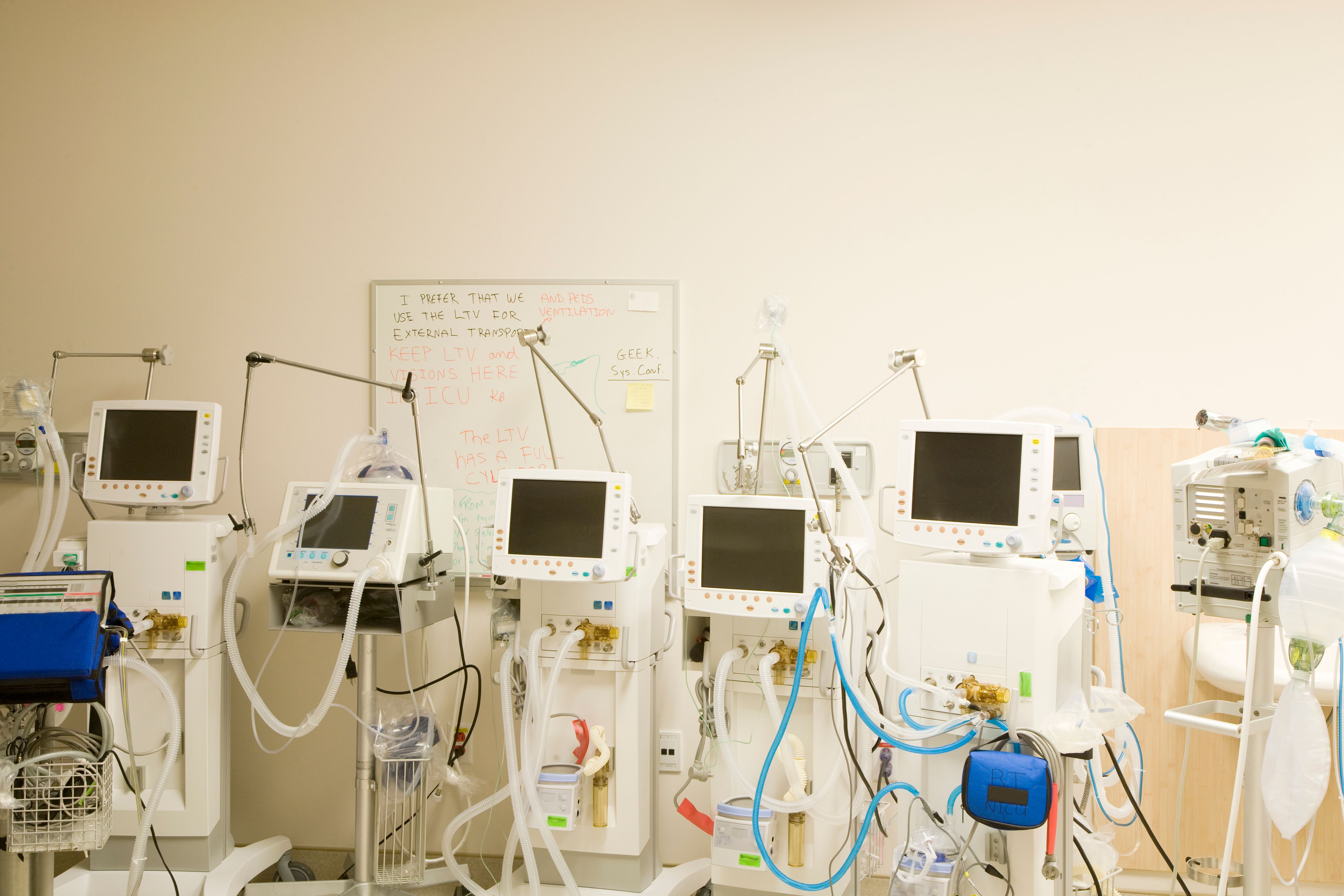
While regular maintenance can be performed at home, it's important to seek professional assistance for any repairs or complex maintenance tasks. Contact the manufacturer or a certified technician if your equipment shows signs of malfunctioning.
Professional servicing ensures that your devices are thoroughly inspected and any potential issues are addressed before they become serious problems.
Creating a Maintenance Schedule
To keep track of your equipment's maintenance needs, create a schedule that outlines regular cleaning, calibration, and servicing. This helps ensure you don't overlook any important tasks and keeps your devices in top condition.
- Weekly cleaning and inspection
- Monthly calibration checks
- Annual professional servicing
Staying organized and proactive with your maintenance efforts can make a significant difference in the reliability and longevity of your medical equipment.