Exploring the Latest Innovations in Home Healthcare Products in PA
In recent years, the home healthcare sector in Pennsylvania has witnessed remarkable advancements. These innovations aim to provide comfort, efficiency, and enhanced care to individuals who prefer receiving medical attention in the familiar surroundings of their home. As the demand for home healthcare grows, technology and product development have kept pace, offering solutions that improve the quality of life for patients and reduce the burden on caregivers.

Smart Medical Devices
One of the most significant innovations in home healthcare is the rise of smart medical devices. These devices, often connected to the internet, allow for real-time monitoring of patients' health metrics. Blood pressure monitors, glucose meters, and even heart rate monitors can now seamlessly transmit data to healthcare providers, ensuring timely interventions when necessary.
These smart devices not only empower patients with more control over their health but also streamline communication between patients and healthcare professionals. This connectivity ensures that any changes in health status are promptly addressed, potentially preventing more severe health issues down the line.

Telehealth Services
Telehealth has become a staple in home healthcare, offering patients the ability to consult with healthcare providers without leaving their homes. This innovation is particularly beneficial for those with mobility issues or individuals living in remote areas of Pennsylvania.
Through video consultations, healthcare providers can assess symptoms, provide medical advice, and even prescribe medications. The convenience and accessibility of telehealth services have made it a preferred choice for many, reducing the need for in-person visits and minimizing exposure to potential illnesses.

Wearable Health Technology
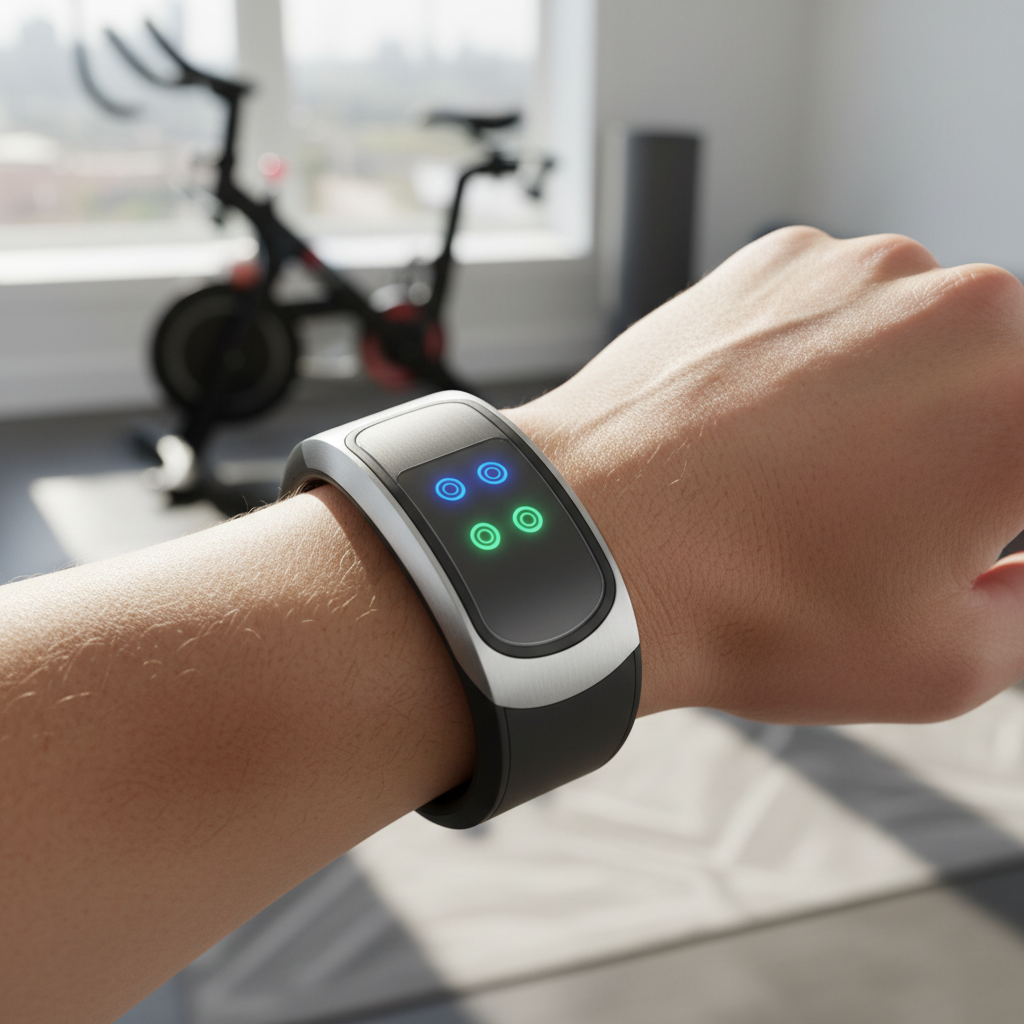
Wearable health technology, such as fitness trackers and smartwatches, plays a crucial role in managing and monitoring health at home. These devices can track a variety of health metrics, including activity levels, sleep patterns, and vital signs, offering insights into a patient's overall well-being.
By analyzing data collected from these wearables, healthcare providers can tailor treatment plans to better suit the individual needs of their patients. This personalized approach not only enhances patient care but also encourages individuals to engage more actively in their health management.
Assistive Technologies
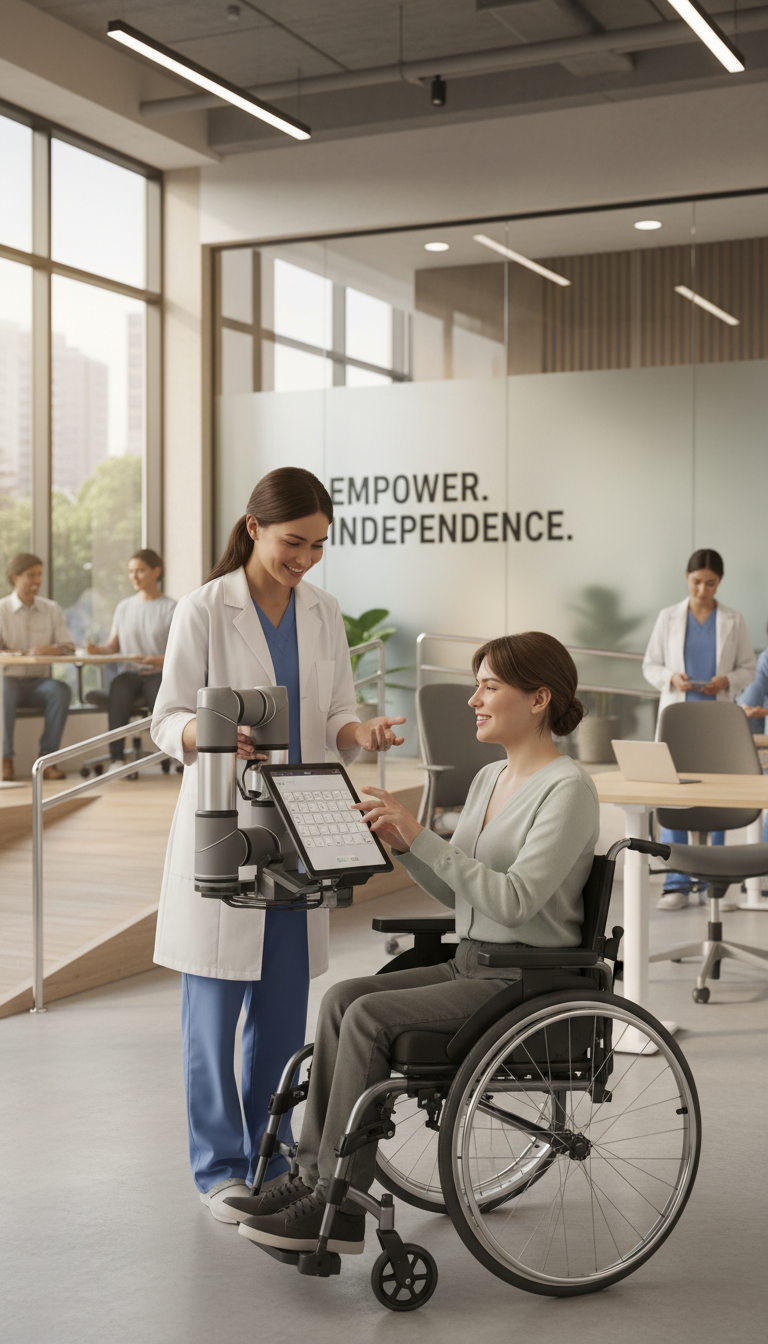
For those with physical limitations, assistive technologies have revolutionized home healthcare. Products like motorized wheelchairs, adaptive utensils, and voice-activated home systems help individuals maintain independence while receiving the care they need.
These technologies are designed to improve daily living activities, making tasks easier and more manageable. As a result, patients experience increased autonomy and a higher quality of life, which can positively impact their mental and emotional well-being.
Remote Health Monitoring
Remote health monitoring systems are transforming the way chronic illnesses are managed at home. These systems use a combination of devices and software to track health parameters continuously. Data collected can be shared with healthcare providers, enabling proactive management of conditions such as diabetes, hypertension, and COPD.
This proactive approach not only helps in timely interventions but also reduces hospital readmissions, ultimately saving on healthcare costs. Patients and caregivers alike benefit from the peace of mind that comes with knowing health professionals are just a notification away.

These innovations in home healthcare products are reshaping the landscape of patient care in Pennsylvania. By embracing these technologies, individuals can enjoy improved health outcomes, greater independence, and a more personalized approach to their healthcare needs. As the industry continues to evolve, the potential for even more groundbreaking developments remains vast, promising a brighter future for home healthcare.