Innovations in Medical Supply: Trends Impacting Philadelphia's Healthcare
Introduction to Innovations in Medical Supply
Philadelphia's healthcare landscape is witnessing a transformative era, driven by groundbreaking innovations in medical supply. These advancements are not only enhancing patient care but also streamlining operations across hospitals and clinics. As technology evolves, so does the potential for improving health outcomes and operational efficiency.
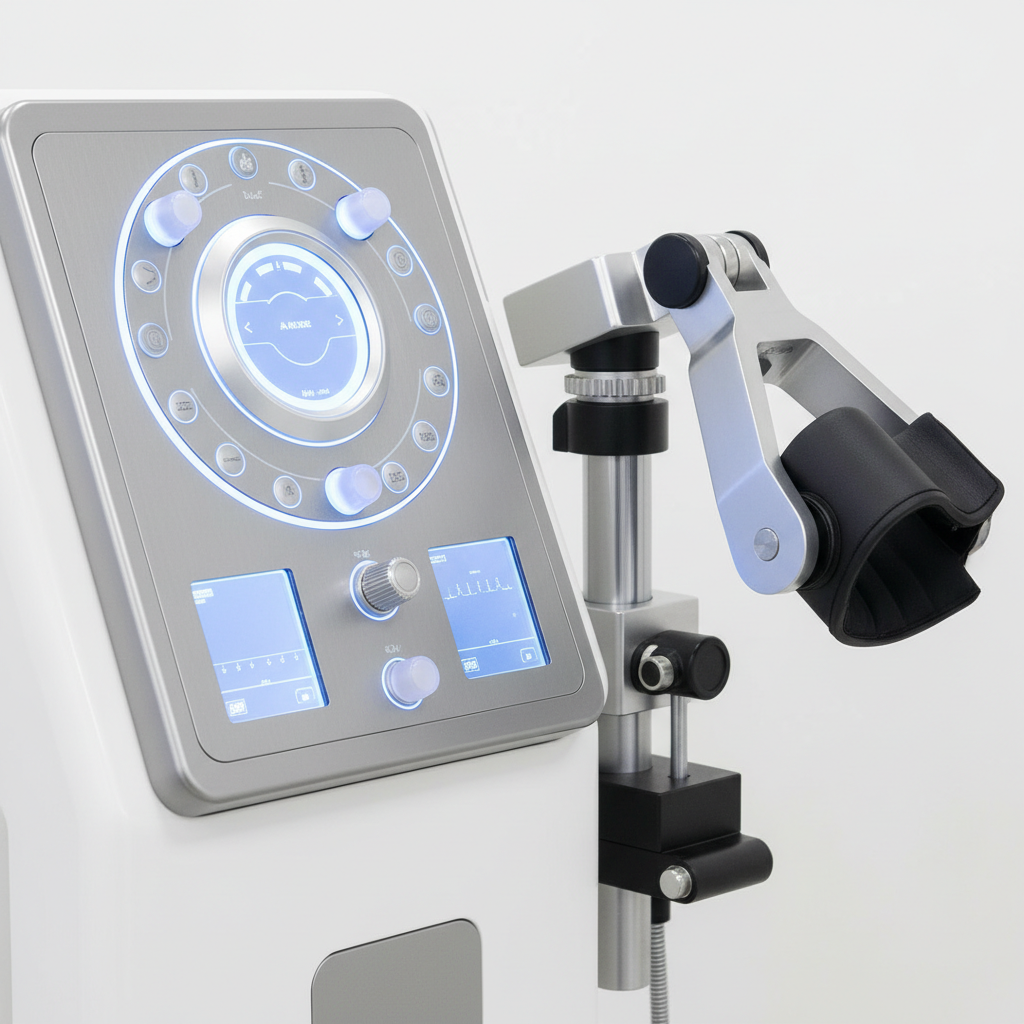
The Rise of Telehealth and Remote Monitoring
One significant trend reshaping the medical supply industry is the proliferation of telehealth and remote monitoring tools. These technologies have become crucial, especially in the post-pandemic world, allowing healthcare providers to offer virtual consultations and monitor patients from afar. This shift requires new types of equipment and supplies tailored to digital healthcare delivery.
Furthermore, wearable devices are now playing a pivotal role in patient monitoring. From heart rate monitors to glucose sensors, these devices provide real-time data, enabling proactive healthcare interventions. This innovation is not only improving patient outcomes but also reducing the burden on healthcare facilities.

3D Printing and Customization
3D printing is revolutionizing the production of medical supplies by offering customization options that were previously unimaginable. From prosthetics to surgical instruments, 3D printing allows for tailored solutions that meet the specific needs of individual patients. This level of personalization is particularly beneficial in areas such as orthopedics and dental care.
The ability to produce medical supplies on-demand also reduces inventory costs and waste, contributing to more sustainable practices. As 3D printing technology continues to advance, its applications in healthcare are expected to expand significantly.

Eco-Friendly Medical Supplies
Amid growing environmental concerns, the demand for eco-friendly medical supplies is on the rise. Philadelphia's healthcare facilities are increasingly adopting sustainable practices by sourcing products made from biodegradable or recyclable materials. This shift not only aligns with environmental goals but also appeals to a more environmentally-conscious patient base.
Manufacturers are responding to this trend by innovating with materials that minimize environmental impact. From sustainable packaging to reusable instruments, the push for green healthcare solutions is gaining momentum.

Integration of AI and Data Analytics
Artificial intelligence and data analytics are transforming the way medical supplies are managed and utilized. AI-driven inventory systems help healthcare providers track and predict supply needs with remarkable accuracy, ensuring that essential items are always in stock when needed.
Moreover, data analytics provides insights into usage patterns, enabling more efficient resource allocation. This technology is not only improving supply chain management but also enhancing patient care by ensuring the timely availability of critical medical supplies.
Conclusion
Innovations in medical supply are having a profound impact on Philadelphia's healthcare sector. From telehealth to AI integration, these advancements are paving the way for a more efficient, personalized, and sustainable healthcare system. As these trends continue to evolve, they promise to further enhance the quality of care provided to patients, ultimately contributing to better health outcomes for the community.