Myth-Busting: Common Misconceptions About Medical Supplies
Understanding Medical Supplies
Medical supplies are essential for healthcare, yet many misconceptions surround their use and availability. These misunderstandings can lead to confusion and even impact healthcare decisions. Let's explore some common myths and uncover the truth behind them.
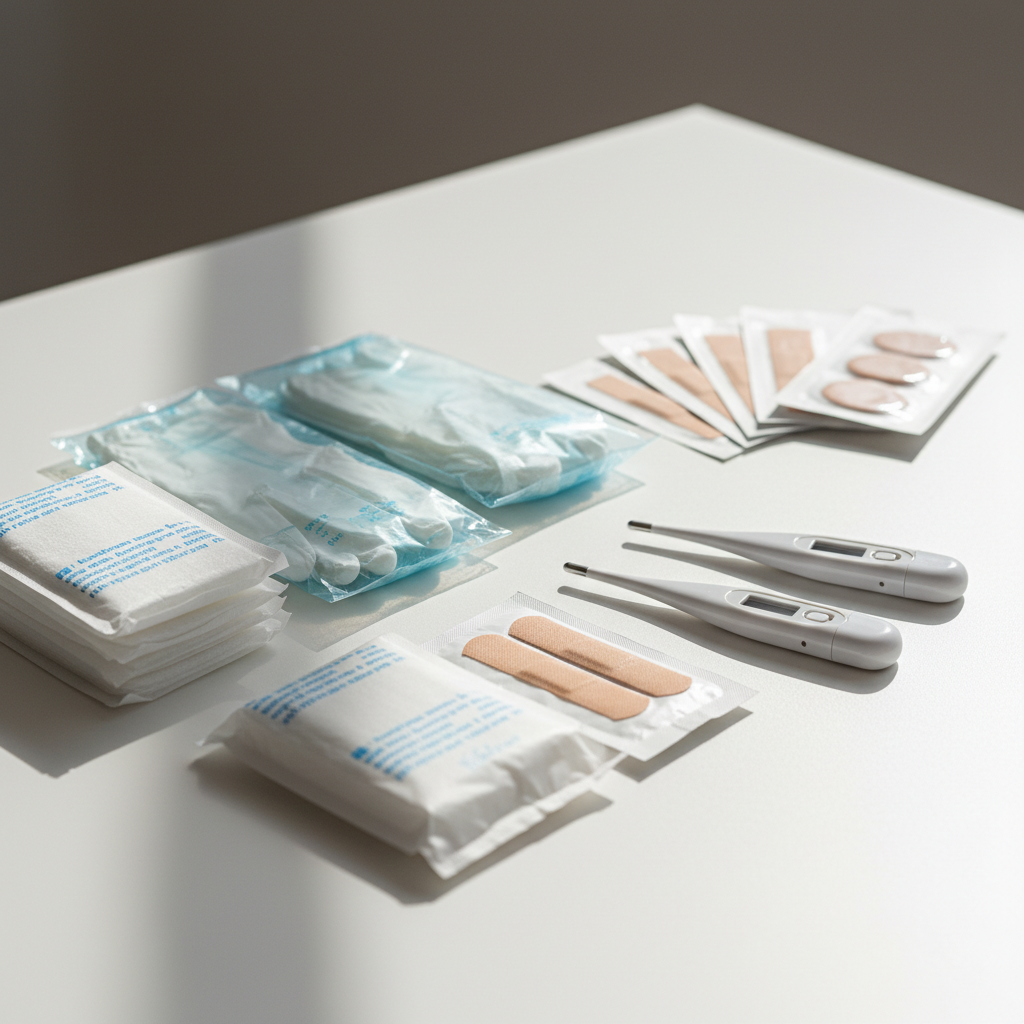
Myth 1: Medical Supplies Are Always Expensive
One prevalent belief is that all medical supplies are prohibitively expensive. While some specialized equipment does come with a high price tag, many essential supplies are affordable. Factors like bulk purchasing and generic alternatives can further reduce costs. It's important to research and compare prices to find cost-effective solutions.
Healthcare providers often negotiate prices and work with suppliers to ensure they receive the best deals. This helps in keeping the overall costs manageable for patients and institutions alike.
Myth 2: All Medical Supplies Are the Same
Another common misconception is that all medical supplies are identical, so brand or source doesn't matter. In reality, the quality of medical supplies can vary significantly. It's crucial to choose reputable brands and suppliers to ensure safety and reliability. Factors such as material quality, manufacturing standards, and certifications play a vital role in determining the efficacy of medical supplies.
Understanding the differences between similar products can help in making informed decisions that impact patient care positively.
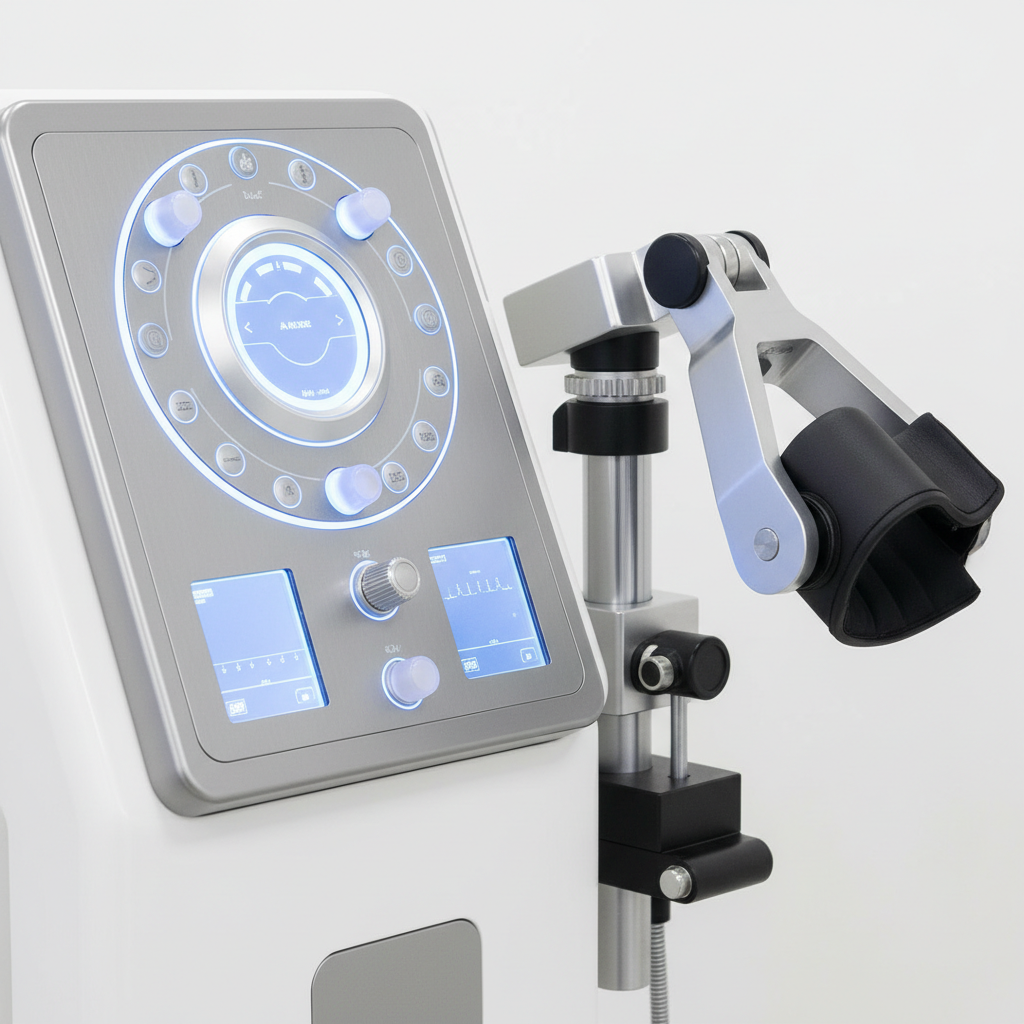
Myth 3: Medical Supplies Are Always Readily Available
Many assume that medical supplies are always in stock and easy to obtain. However, supply chain disruptions, high demand, or regulatory changes can lead to shortages. This became particularly evident during the COVID-19 pandemic, when certain supplies were scarce.
Healthcare facilities and suppliers must plan and manage inventories carefully to mitigate such risks. Staying informed about potential supply chain issues can help in anticipating and addressing shortages effectively.
Myth 4: Only Hospitals Need Medical Supplies
It's a common belief that only hospitals require medical supplies. In truth, many other settings such as clinics, nursing homes, and even home care environments rely on a wide range of medical supplies. These items are crucial for providing quality care and ensuring patient safety across various healthcare settings.

Understanding the diverse needs for medical supplies helps in recognizing their importance beyond just hospital settings, expanding access to necessary care.
Myth 5: Medical Supplies Do Not Require Regular Updates
Some people think that once medical supplies are stocked, they don't need regular updates. However, medical technology is continually advancing, and new, more effective products are frequently introduced. Regularly reviewing and updating supplies ensures that healthcare providers have access to the latest innovations and improved patient care options.
Staying informed about new developments and incorporating them into practice can lead to better outcomes and more efficient healthcare delivery.
By debunking these myths, we can foster a better understanding of medical supplies and their vital role in healthcare. Awareness and accurate information help in making informed decisions, ultimately enhancing patient care and safety.